Shared equity, and the people it was built for
Two years on the front line of housing and small business capital: first at a community development agency in San Francisco’s Mission District, then at a Series B fintech selling shared equity to teachers. Same problem, opposite ends of the system.
🧭 Where this sits. Fintech and proptech, at the point of sale. Running the same product through a venture-backed startup and a neighborhood nonprofit in consecutive years taught me what a capital product looks like from the side of the person signing, which is knowledge you cannot get from the structuring side.
🧩 Context and challenge
Building wealth in historically excluded communities is not a product problem. It is a problem of trust, timing, and whether the tools on offer match how people actually live.
A teacher weighing a shared equity agreement and an immigrant entrepreneur navigating a Below Market Rate application are doing the same thing: deciding whether an institution can be relied on. Both had to be met in language they recognized, at a pace that let them ask the hard questions.
🏡 At Landed
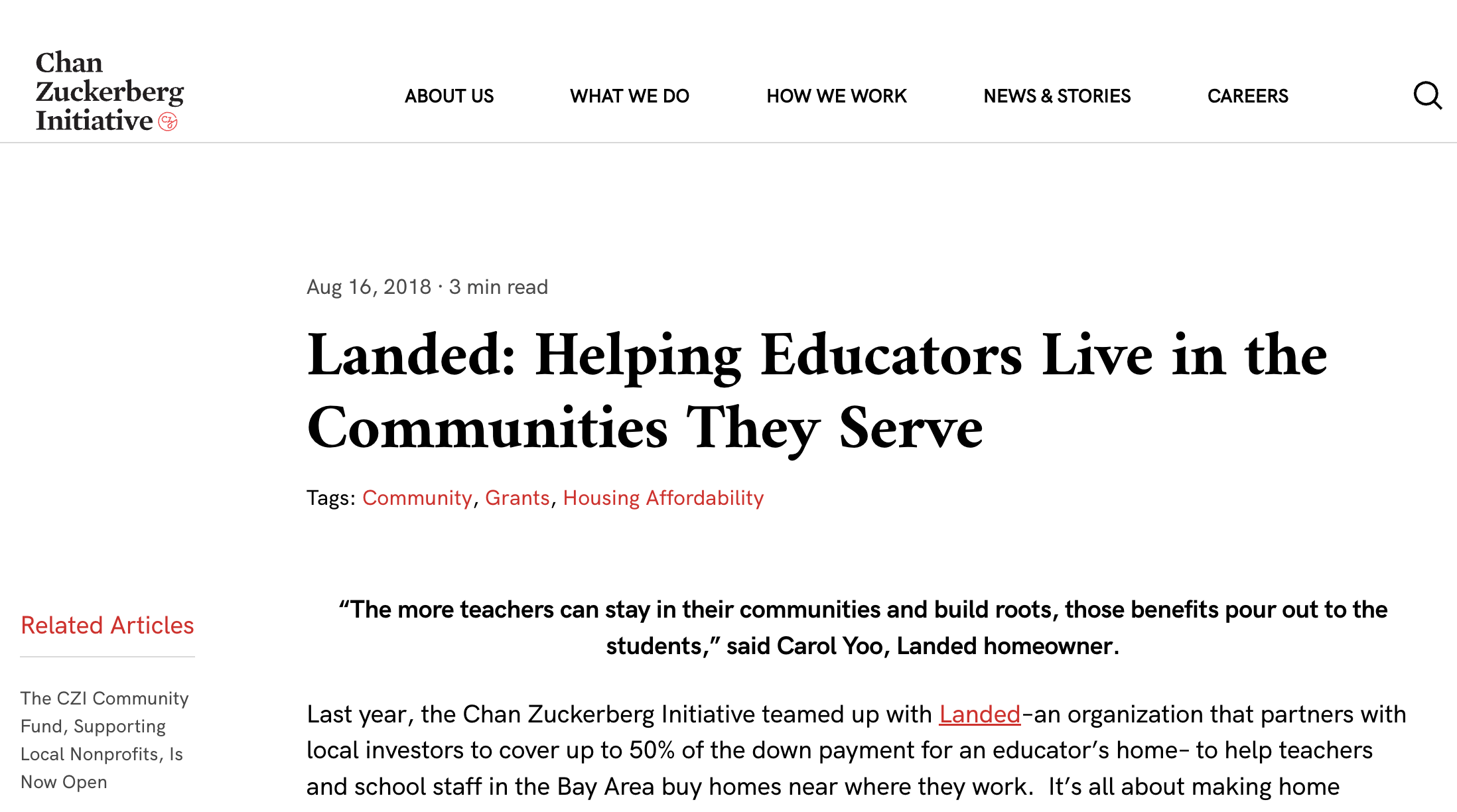
Series B fintech, shared equity for educatorsClosed shared equity agreements that unlocked more than $4M in home purchases for educators and school staff who could not have reached a down payment otherwise.
Managed the regional pipeline in HubSpot and ran lead generation and segmentation experiments that lifted conversion by 35%.
Walked educators through down payments, equity shares, and mortgage options, including the cases where the honest answer was that the product was not right for them.
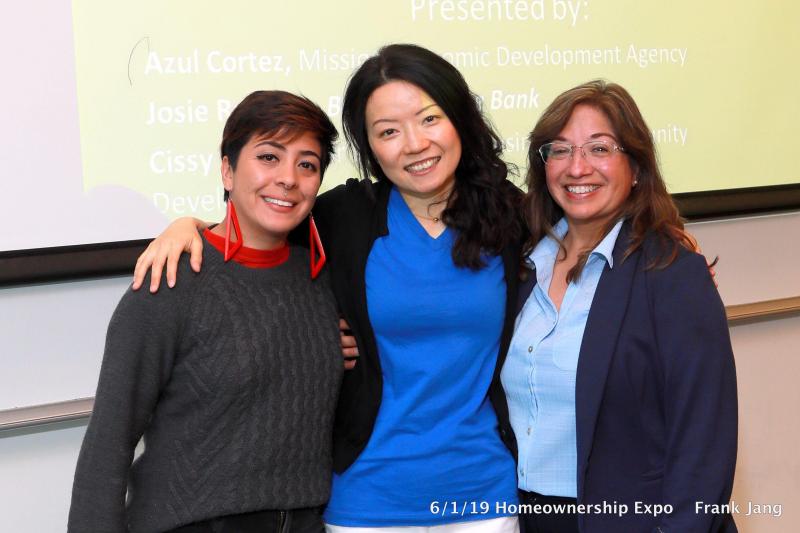
Built partnerships with school unions and housing counseling agencies, and ran financial literacy workshops in districts, in person and online.
🏘 At MEDA
Community development, San Francisco’s Mission DistrictOne-to-one financial advising and small business coaching for Latine and immigrant entrepreneurs, delivered in the language and at the pace each client needed.
Guided working families through Below Market Rate and Downpayment Assistance Loan Program processes, plus credit readiness and long-term planning.
Built referral networks with small businesses, art spaces, and housing agencies across the neighborhood.
Created reports tracking outcomes, engagement metrics, contact lists, and programming opportunities, so the agency could see its own work.
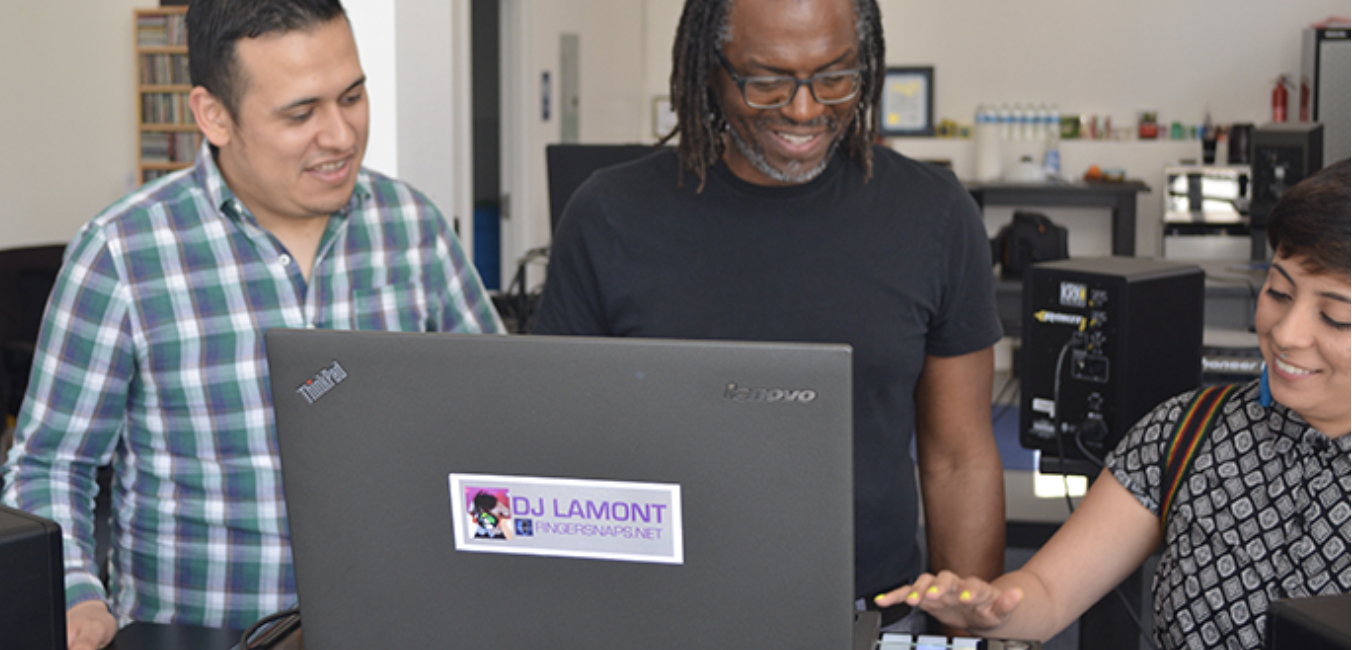
DJ Lamont had been a fixture in the Mission for years without a space of his own. Through the Small Sites Program I helped him open the first commercial studio for Fingersnaps Media Arts, working through permitting, financing strategy, and launch logistics alongside Luis Ramos at Accion Opportunity Fund.
In a neighborhood losing its cultural anchors one lease at a time, keeping one was worth as much as any transaction on this page. MEDA wrote it up here.
⚙️ Tools and strategies
Financial products either reinforce exclusion or interrupt it. Very little sits in between.
Guiding a teacher through a first home purchase and helping an entrepreneur keep their doors open are the same work at different scales. Both depend on someone who can read the paperwork and also read the room. Everything I have built since, the dashboards, the pipelines, the capital strategy, traces back to two years of sitting across a table from the person whose name goes on the loan.


