Role: Lead Strategist, Survey Architect, and Equity Engagement Designer
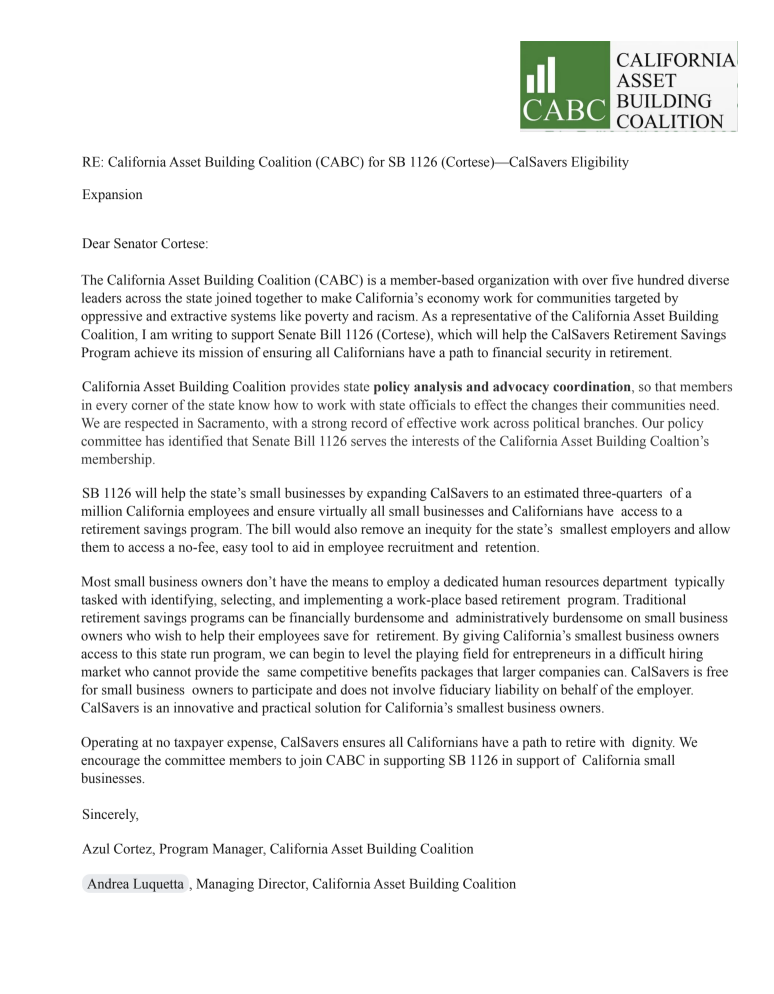
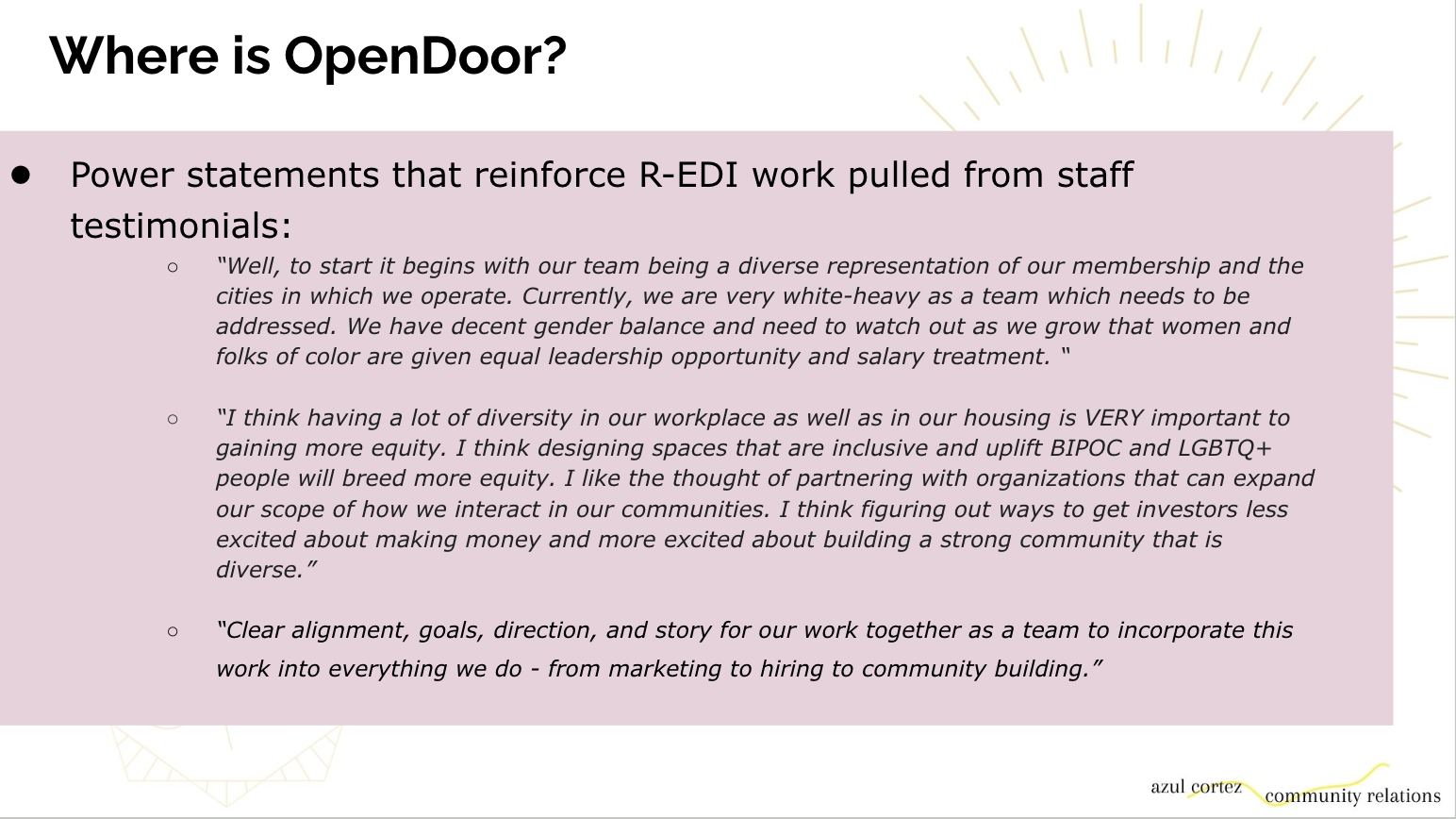
Across three deeply participatory research initiatives—a national equity insight survey, the California Asset Building Coalition (CABC) policy platform, and a qualitative equity assessment with a housing co-living organization (Open Door)—I served as the lead architect and facilitator of equity insight tools that bridged internal culture, public policy, and community priorities.
My role spanned:
- Designing end-to-end survey frameworks that captured both qualitative and quantitative insights
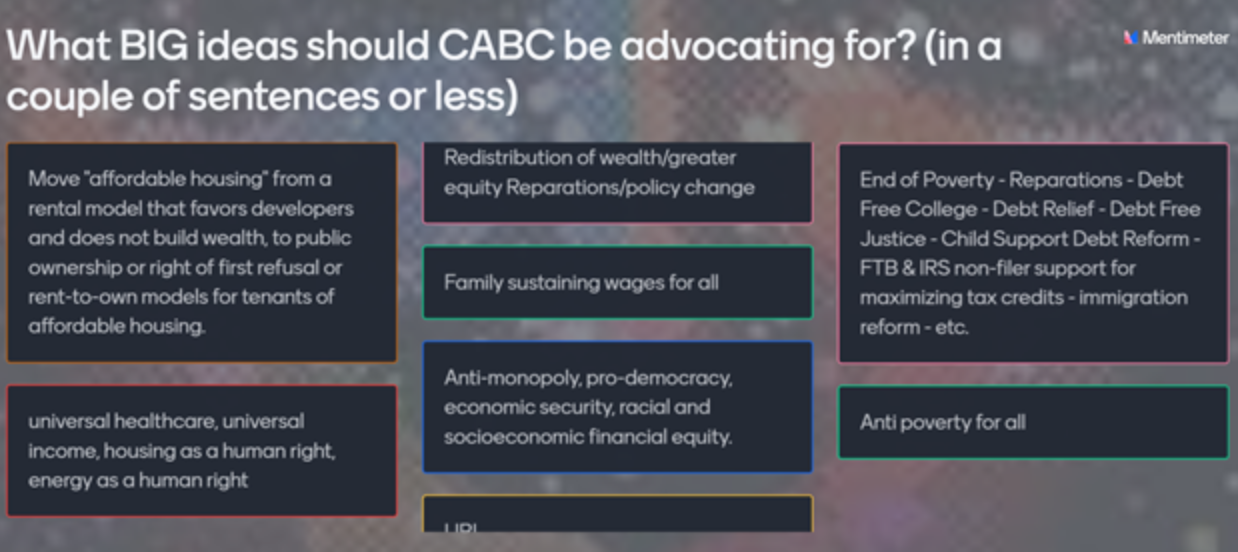
- Facilitating interactive data sessions with Menti Polls, small-group breakouts, and post-event synthesis
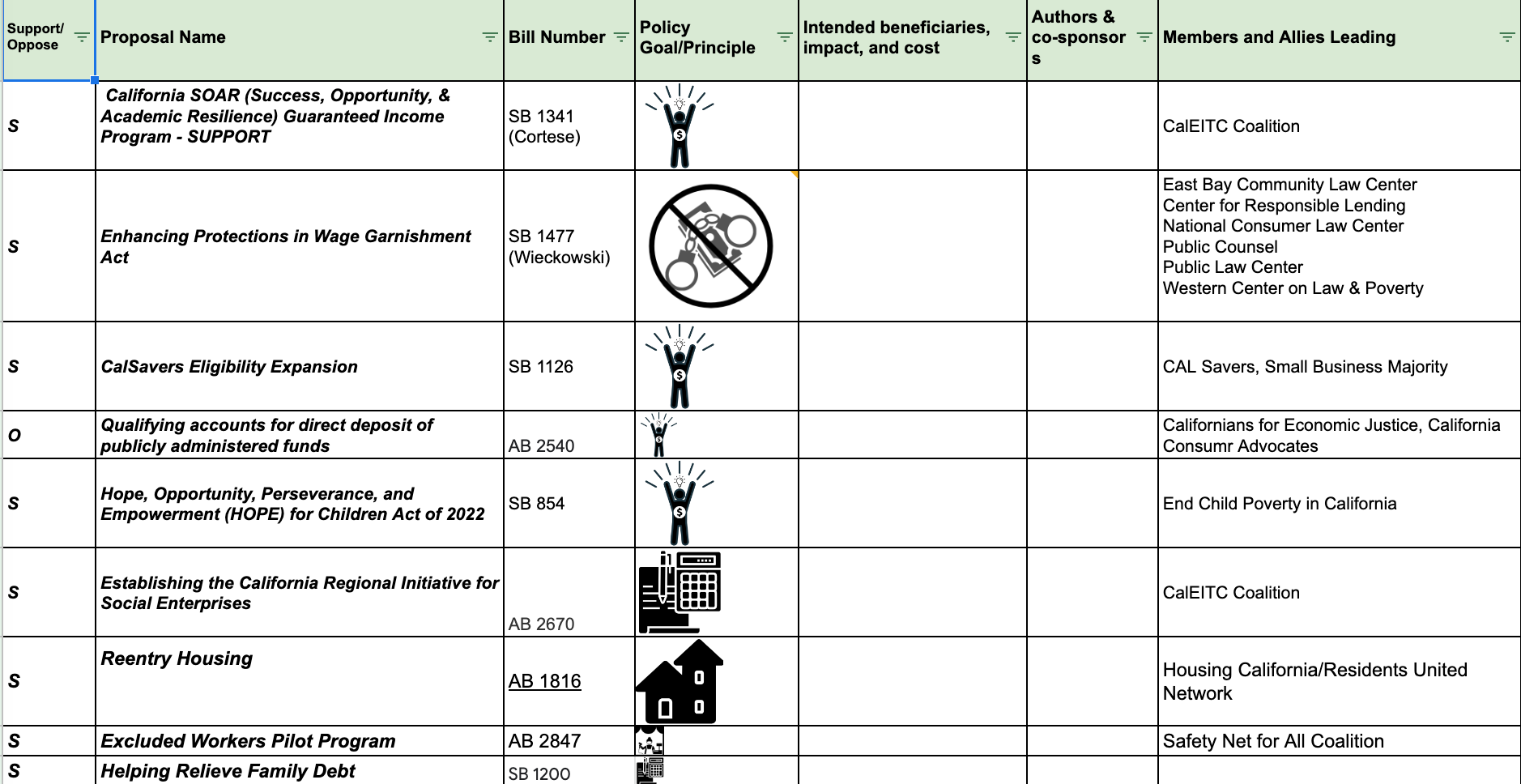
- Creating visual systems, like custom iconography, to communicate values across literacy and cultural contexts
- Conducting thematic analysis of open-ended responses and translating findings into actionable recommendations
- Advising executive and program leadership on how to embed equity insights into organizational infrastructure, strategy, and public-facing narratives
🔎 Cross-Project Learnings:
1. Data Must Reflect Lived Realities, Not Just Organizational Optics
From internal staff feedback to community priorities, I helped disaggregate findings across race, tenure, gender, and role—uncovering disparities often invisible in standard metrics. Black staff in one setting were 30% less likely to feel trained or supported. At Open Door, narratives surfaced discomfort in discussing race, despite a value-aligned brand. CABC participants emphasized leadership from those directly impacted.
🔁 Lesson: I designed tools that paired numbers with narratives, ensuring communities were seen, not just measured.
2. Translate Equity from Vision to Practice
With CABC, I developed a custom icon set that distilled complex policy concepts into accessible visuals—helping community leaders and legislators align on shared goals. At Open Door, I surfaced tension between inclusive messaging and systems that didn’t yet reflect it.
🔁 Lesson: I bridged values and design, turning theory into tools that people could use and feel.
3. Tenure, Role & Identity Inform Risk and Voice
I synthesized survey data showing how staff experience differed based on internal dynamics—where mid-level managers, BIPOC staff, and longer-tenured employees often carried more risk and fewer opportunities for advancement.
🔁 Lesson: I brought an intersectional analysis to executive teams—highlighting how power, time, and trust shaped experience.
4. Real-Time Tools Build Emotional Insight
During convenings, I used Menti Polls and facilitated live sessions to move beyond static surveys. These moments created safe space to surface gut responses, shifting conversations from performative check-ins to honest self-inquiry.
🔁 Lesson: My facilitation strategy centered psychological safety and emotional literacy as much as survey rigor.
5. Equity Must Be Embedded—Not Outsourced
Rather than creating reports that sat on shelves, I worked with orgs to integrate findings into strategic planning, advancement pathways, and program design. With CABC, that meant coalition governance and funding strategy. With others, it meant rethinking who gets to lead—and how.
🔁 Lesson: I helped leaders shift from equity as initiative to equity as infrastructure.
🛠️ Tools Used:
To meet the varying needs of internal staff, community stakeholders, and coalition partners, I deployed:
- Jotform – multilingual, conditional logic surveys for community members
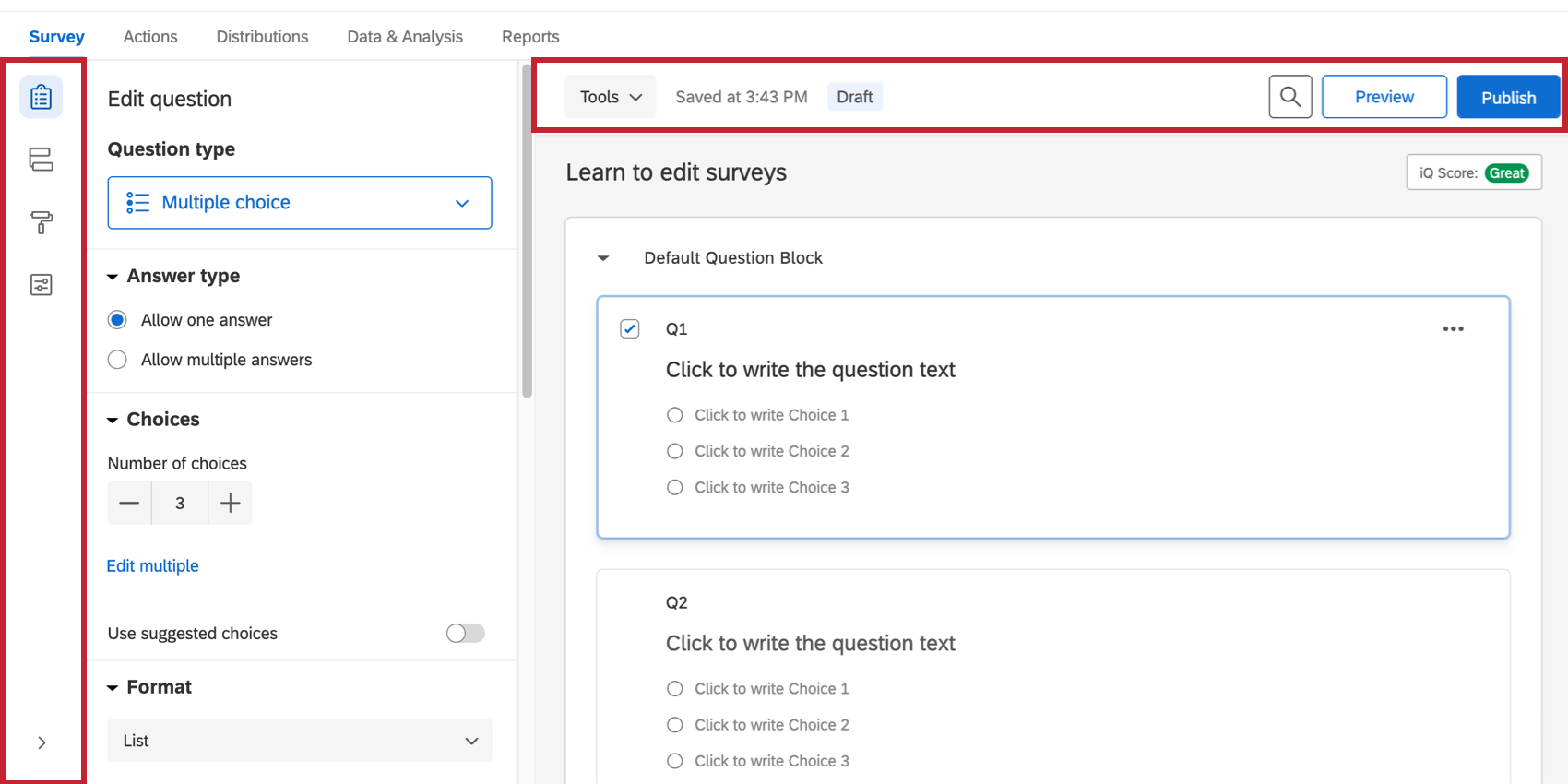
- Qualtrics – for comprehensive internal benchmarking and demographic analysis
- Google Forms – fast, low-barrier entry for team and partner assessments
- Menti Poll – real-time facilitation of group reflections and feedback during live events
Each tool was configured to balance access, anonymity, and impact.
My role wasn’t just to collect data, it was to design participatory systems that invite trust, reveal what matters, and drive the kind of change that sticks.

 Azul Cortez
Leave a comment